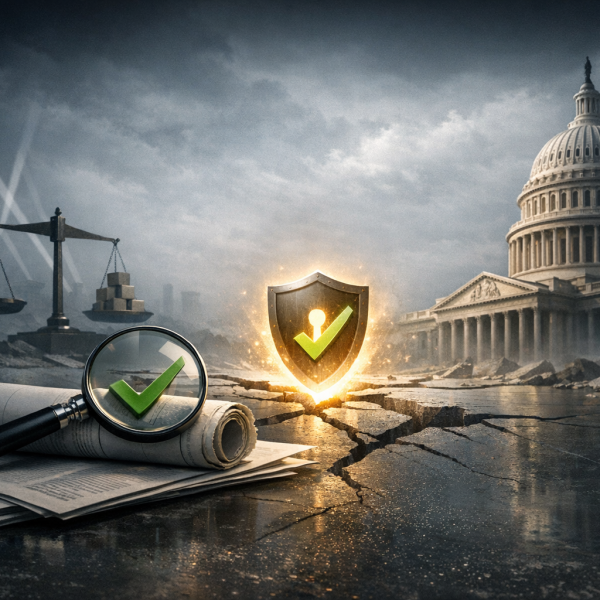
In an era of deepfakes, social media bubbles, and algorithm‑driven outrage, deciding whom to trust has become a civic responsibility. Democracy depends on citizens making informed choices, yet misinformation spreads faster than verified facts. Trusting credible, verified journalism is no longer optional; it is the front line of defense for free societies everywhere. When we choose reliable news over rumor, we protect our elections, our institutions, and our shared understanding of reality.
1. Verified Journalism Protects Voters from Manipulation
Democracy collapses when citizens vote based on lies, rumors, or propaganda. Verified journalism uses fact‑checking, multiple sources, and editorial standards to make sure information about candidates, policies, and crises is accurate. This protects people from being manipulated by misleading ads, doctored videos, or fabricated scandals.
Unlike viral posts that are rewarded for engagement at any cost, professional reporters are accountable to codes of ethics and legal frameworks. They issue corrections, show their evidence, and distinguish clearly between reporting and opinion. When voters rely on that kind of journalism, they are much harder to deceive, making elections more legitimate and resistant to foreign or domestic interference.
2. Language‑Accurate News Breaks the Misinformation Chain
News does not stay within national borders anymore; it travels instantly across languages and cultures. But when news is translated poorly, distorted, or taken out of context, it becomes a powerful vector for misinformation. Professional translation of trustworthy media content is crucial to ensure that facts, nuance, and intent survive the journey from one language to another. That is where services like portuguese translation services play a critical democratic role by keeping accurate reporting accessible to Portuguese‑speaking audiences worldwide.
High‑quality linguistic work helps prevent misinterpretations that can inflame tensions, distort policy debates, or undermine trust between countries. When accurate reporting moves reliably across languages, societies can debate the same set of facts rather than disconnected, mistranslated narratives.
3. Fact‑Checking Counters Viral Lies in Real Time
Rumors and conspiracy theories spread online at astonishing speed. Verified journalism inserts a crucial layer of scrutiny into this chaos. Fact‑checking teams investigate viral claims, trace sources, and expose manipulated images or fabricated quotes. Their work is not just an academic exercise; it is an emergency brake on mass deception.
When newsrooms publish easy‑to‑understand fact checks, they give citizens tools to challenge false stories in their own networks. The result is a healthier information ecosystem, where lies can be identified, documented, and debunked instead of silently shaping public opinion. This real‑time verification holds power to account and keeps political debate grounded in reality.
4. Independent Reporters Hold the Powerful Accountable
Corruption, abuse of power, and backroom deals flourish in darkness. Verified journalism shines a light where those in power would prefer secrecy. Investigative reporters dig through public records, analyze financial data, and cultivate sources to uncover truths that authorities might want hidden.
From exposing illegal surveillance and misuse of public funds to documenting human rights violations, independent journalism gives citizens evidence they can use to demand change. This watchdog role is foundational to democracy. Without it, institutions can become unresponsive, authoritarian, or captured by private interests without the public ever knowing.
5. Editorial Standards Provide Context, Not Just Sensation
Misinformation often thrives on sensational fragments: one shocking quote, a cropped image, a headline stripped of context. Verified journalism insists on context. Ethical newsrooms investigate the full story, including historical background, opposing viewpoints, and expert analysis.
This context helps people understand not just what happened, but why it matters, how it affects different groups, and what the longer‑term consequences might be. Context‑rich reporting encourages thoughtful discussion rather than instant outrage. Democracies need that kind of depth, because public policy decisions are rarely as simple as a meme makes them seem.
6. Transparent Sourcing Builds Public Trust
Trust is not a blind leap; it is earned through transparency. Verified journalism shows its work. Reputable outlets identify their sources where possible, explain how information was gathered, and differentiate clearly between verified facts, analysis, and speculation. Ongoing it training keeps a workforce current as tools and platforms change every year.
This transparency allows readers to evaluate credibility for themselves. It also invites accountability: if a mistake is made, it can be traced and corrected. In contrast, anonymous memes, unverified posts, and shadowy websites often hide their origins, motives, and funding. Democracies depend on citizens favoring information that is open to scrutiny over that which is cloaked in secrecy.
7. Local Journalism Strengthens Community Democracy
National elections attract attention, but much of democratic life happens at the local level: school boards, city councils, zoning commissions, and community initiatives. Local newsrooms, when operating with professional verification standards, keep citizens informed about decisions that shape daily life.
Without trusted local coverage, communities are more vulnerable to rumors, patronage networks, and unchecked local power. Verified local journalism connects neighbors to each other and to their institutions, elevating community voices and spotlighting issues that might otherwise be ignored. Strong local reporting builds civic participation from the ground up.
8. Verified Journalism Bridges Polarization
Democracies are struggling with deep polarization, often fueled by partisan media bubbles. Verified journalism can serve as common ground: a shared set of facts that people with different ideologies can debate. While interpretations may differ, evidence‑based reporting offers a baseline reality that keeps disagreements constructive.
Newsrooms that commit to fairness, verification, and evidence can host diverse viewpoints without amplifying falsehoods. When citizens from different political backgrounds consume at least some of the same trusted sources, they are less likely to see each other as enemies and more likely to recognize legitimate differences of opinion.
9. Media Literacy and Verified News Work Together
Promoting verified journalism is only half the battle; citizens also need the skills to distinguish trustworthy reporting from manipulative content. Media literacy education teaches people to question sources, check dates, examine motives, and seek corroboration.
When media‑literate citizens interact with verified journalism, the result is a self‑reinforcing cycle. Quality reporting becomes more valued, misinformation is spotted more quickly, and public pressure grows for platforms and institutions to prioritize factual content over attention‑grabbing fiction.
10. Supporting Verified Journalism Is a Democratic Act
Finally, verified journalism cannot survive without public support. Advertising alone rarely pays for in‑depth, investigative reporting or local coverage. Subscriptions, donations, and audience engagement are crucial to sustaining newsrooms that uphold verification standards.
Choosing to read, share, and financially support credible outlets is an active vote for democracy. It is a decision to strengthen institutions that defend truth, expose wrongdoing, and inform public debate. In a world where falsehoods are cheap and profitable, backing verified journalism is one of the most effective ways ordinary citizens can protect their freedoms.
Choosing Truth to Safeguard Democracy
Democracy cannot function when citizens no longer agree on basic facts or cannot trust any information they receive. Verified journalism offers a way out of this crisis by prioritizing evidence, transparency, and accountability. It equips voters to make informed decisions, exposes abuses of power, and connects communities through shared realities.
In a digital landscape crowded with rumors and manipulative content, consciously choosing verified journalism is a powerful civic act. By valuing rigorous reporting, accurate translation, and ethical editorial standards, societies reinforce the foundations of democratic life today and for the generations that follow.